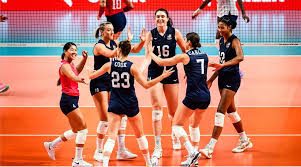
U.S. college girls’ volleyball is growing across the country because more athletes are entering the sport earlier, more schools are investing in women’s programs, and fans are paying closer attention to college volleyball than they did a decade ago.
The phrase “college girls’ volleyball” is commonly used by fans, parents, and young players. Officially, the sport is usually called women’s college volleyball. Still, the meaning is clear: more female athletes are playing, more colleges are competing, and more communities are treating volleyball like a major fall sport.
From what I’ve seen, the growth is not coming from one single place. It’s a mix of high school participation, club volleyball, stronger college programs, better media coverage, social media highlights, and the rise of professional volleyball opportunities in the United States.
Why U.S. College Girls’ Volleyball Is Growing Across the Country
The biggest reason is the size of the player pipeline. Volleyball is one of the most popular team sports for high school girls in the United States. That matters because college programs depend on a steady flow of trained athletes.
In practice, a strong high school volleyball scene creates more college-ready players. A good club system then gives those players extra training, tournament experience, and recruiting exposure.
That said, growth is not only about elite recruits. College volleyball is also growing because more fans now understand the sport. They follow rivalries, watch rankings, track schedules, and recognize star players.
A common mistake I see is assuming college volleyball only matters at powerhouse schools. That’s not true. Big programs like Nebraska, Texas, Wisconsin, Kentucky, Stanford, Pittsburgh, and Louisville get a lot of attention, but the sport also grows through smaller Division I schools, Division II programs, Division III campuses, NAIA schools, and junior colleges.
The High School and Club Pipeline Is Stronger Than Ever
One thing many people overlook is how early volleyball development now starts. Many girls begin playing in middle school or even earlier through local clubs, school teams, recreation leagues, and camps.
How the pipeline usually works
Most college volleyball players follow a path like this:
- They first learn the sport through school or local programs.
- They join a club team for extra training and tournaments.
- They attend camps, showcases, or recruiting events.
- They build highlight videos and contact college coaches.
- They choose a college level that matches their skill, academics, budget, and goals.
At first glance, club volleyball may look like the main driver. It is important, but it is not the whole story. High school volleyball still gives many athletes their first real team identity. School matches also help local communities become fans.
Media Coverage Has Changed the Sport’s Visibility
College volleyball used to be harder to follow nationally. Fans often had to rely on local updates, school websites, or occasional TV matches. Now, major matches are easier to find on television, streaming platforms, social media, and team channels.
That visibility changes everything.
A great rally can spread quickly online. A freshman setter can become known outside her state. A rivalry match can attract casual sports fans who may not follow volleyball every week.
What surprises many people is how watchable college volleyball is for new fans. The pace is fast, matches are emotional, and every point matters. You don’t need to understand every rotation rule to enjoy a packed arena and a five-set match.
Growth Looks Different by Region
The sport is not growing in the same way everywhere. Some regions have deep volleyball traditions. Others are catching up through school investment, club expansion, and conference exposure.
| Region | What Growth Looks Like | Example Fan Interest |
|---|---|---|
| Midwest | Strong school support, packed arenas, long volleyball traditions | Nebraska, Wisconsin, Minnesota, Creighton |
| South | SEC and ACC investment, more elite recruiting attention | Texas, Kentucky, Florida, Texas A&M |
| West Coast | Long history of elite volleyball, beach and indoor crossover | Stanford, USC, UCLA, Oregon |
| East Coast | More conference depth and stronger recruiting visibility | Pittsburgh, Penn State, Louisville, North Carolina |
| Smaller markets | Local college programs becoming community sports events | Division II, Division III, NAIA, junior colleges |
Based on my experience, the Midwest still feels like the emotional center of college volleyball fandom. But the South is becoming more important because of bigger athletic budgets, strong recruiting states, and growing conference visibility.
NIL, Social Media, and Athlete Branding Are Helping
Name, image, and likeness opportunities have also changed the sport. Top players can now build personal brands, work with sponsors, and connect directly with fans.
That does not mean every player is making major money. The reality is that NIL benefits are uneven. Star athletes at large programs usually have more opportunities than players at smaller schools.
Still, NIL has made volleyball more visible. Players post training clips, behind-the-scenes content, match-day routines, and personal stories. Fans feel closer to the athletes, and younger girls can see a clearer future in the sport.
Why social media matters
Social media helps volleyball grow because it makes the sport easier to discover. A person may not watch a full match at first, but they might watch:
- a powerful kill,
- a diving save,
- a setter dump,
- a locker-room celebration,
- a coach’s emotional speech,
- or a rivalry match point.
Those small moments can create new fans.
More College Options Mean More Opportunities
College volleyball growth is not only about the top 25 programs. It also means more athletes can find the right level.
Some players are ready for high-major Division I. Others may fit better at a mid-major, Division II, Division III, NAIA, or junior college program. I think this is one of the healthiest parts of the sport. Not every athlete needs the same path.
Practical example
A 5-foot-8 outside hitter from a small town may not get recruited by a top national program. But she may become a strong libero, defensive specialist, or six-rotation player at another college level.
A middle blocker with late physical growth may not receive major attention as a sophomore. But with good training, better footwork, and strong film, she may become a serious recruit by senior year.
A detail that’s easy to miss is that “growth” includes these stories too. The sport becomes stronger when more athletes have realistic places to play.
Common Mistakes and Misunderstandings
Mistake 1: Thinking only famous programs matter
Big-name programs bring attention, but smaller programs build the base of the sport. Many fans first connect with volleyball through a local college, not a national champion.
Mistake 2: Assuming club volleyball guarantees recruitment
Club volleyball can help, but it does not guarantee a scholarship or roster spot. Coaches still look at skill, athleticism, grades, attitude, position needs, and fit.
Mistake 3: Ignoring academic fit
Many people assume the best volleyball offer is always the highest athletic level. That’s not always true. A school should also fit the athlete academically, socially, financially, and personally.
Mistake 4: Believing growth is equal everywhere
Some states have more clubs, more high school teams, and more recruiting events. Other areas still face access issues. Travel costs, coaching quality, gym space, and tournament fees can limit opportunities for some families.
Important Notes for Fans, Parents, and Players
Rules, schedules, rankings, recruiting calendars, scholarship limits, ticket prices, streaming options, and conference formats can change over time. Always check official sources before making decisions.
For parents and athletes, that means checking:
- NCAA recruiting rules,
- school athletic department pages,
- conference schedules,
- official team rosters,
- USA Volleyball region information,
- and state high school athletic association updates.
In real-world situations, relying only on social media can create confusion. A player may post an offer, a team may change its schedule, or a ranking may update after one weekend. Official pages are still the safest place to confirm facts.
What This Growth Means for the Future
I believe the next stage of college volleyball growth will come from three areas: better media coverage, deeper regional competition, and stronger youth access.
If more matches are available on TV and streaming, more fans will follow the sport. If more clubs and schools provide affordable training, more girls will enter the pipeline. If college programs continue investing in coaching, facilities, and fan experience, the sport will keep gaining respect.
Still, the sport should be careful. Growth can bring pressure. Athletes can feel the weight of recruiting too early. Families can spend too much chasing exposure. Coaches can over-specialize young players before they develop all-around skills.
A healthy volleyball system should grow the game without burning out the athletes.
Key Takeaways
U.S. college girls’ volleyball is growing across the country because the foundation is strong. High school participation is large, club volleyball is active, college programs have more visibility, and fans are watching more matches.
The growth is not limited to one region or one group of schools. The Midwest, South, West Coast, East Coast, and smaller college markets all play a role.
The most useful way to understand the trend is simple: more girls are playing, more colleges are competing seriously, and more fans are treating volleyball as a sport worth following closely.
For volleyball fans, that means better matches, deeper rivalries, and more stories to follow every season.
Frequently Asked Questions
Why is U.S. college girls’ volleyball becoming more popular?
U.S. college girls’ volleyball is becoming more popular because more girls are playing at the high school and club levels, college programs are receiving better media coverage, and fans can follow matches more easily through streaming, TV, and social media.
Is college girls’ volleyball the same as women’s college volleyball?
Yes. Many fans use the phrase college girls’ volleyball, but official athletic departments and the NCAA usually use the term women’s college volleyball.
Which regions are strongest for college volleyball?
The Midwest has a strong volleyball culture, but the South, West Coast, and East Coast also play major roles through strong college programs, recruiting areas, and conference competition.
Does club volleyball help players get recruited?
Club volleyball can help players gain training, tournament experience, and recruiting exposure. However, it does not guarantee a scholarship or roster spot because coaches also consider grades, position needs, athletic ability, attitude, and fit.
Can smaller colleges be good options for volleyball players?
Yes. Division II, Division III, NAIA, and junior college programs can be strong options depending on the athlete’s volleyball level, academic goals, budget, and personal fit.
Do college volleyball schedules and rules change?
Yes. Schedules, rankings, conference formats, recruiting calendars, scholarship rules, and policies may change over time. Fans, athletes, and parents should check official NCAA, school, conference, and USA Volleyball sources.
Related Reading
- College Volleyball Schedule 2026
- Best Women’s College Volleyball Teams to Watch
- Nebraska Volleyball Schedule 2026
- Texas Volleyball Schedule 2026